After around 50 presentations on my usual topic of ‘Disappeared Department Stores of Edinburgh’ I wondered if I should investigate another area of potential interest. I mulled this over for many weeks. One day, for absolutely no reason at all, a subject popped into my mind:
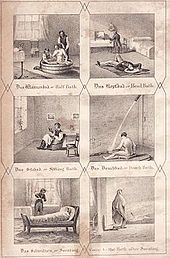
The hydropathic movement in Scotland. I googled it and a number of fascinating papers appeared. I was hooked. This led to further research and the location of the excellent research of Alastair Durie and collaborators. They had researched the area very thoroughly indeed and I enjoyed reading the various papers and documents. However, I was left with one big question –Why? Why was Scotland such a hot bed of hydros? Why there? Why then? Who went? What were they looking for? Did they find it? And, of course, the inevitable –What happened to them? An early Scottish boom and bust industry?
As I enjoy presentations to groups large and small I have put my thoughts and findings into a presentation and already have bookings for it. I am slightly concerned about it as this is only my personal take on a large subject area but it should be interesting to share it and discuss what others might think of the light the subject casts on the persona of the Scotsman and woman of the 19th century.




 Well the Summer break is over. Fun was duly had by all. Blackwell’s ‘Writers at the Fringe’ event went well. Time to get back to work. There’s lots to do. I started last week at the Kinross Thursday group and the Westwoods Book Group. Enjoyable evenings, interesting ladies to speak to and some great questions posed. Just what I like. Luckily, there seems to be more of these events lined up over the coming months. Bring it on.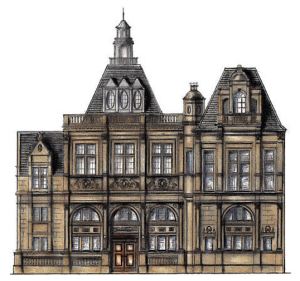

 Life for staff in department stores of the past was very different from now. At the time of the 1892 fire in Jenners store in Edinburgh, Scotland (one of the stores which were the inspiration for the setting of ‘Our Best Attention’ my bestselling novel), 120 staff lived on the premises. On the third and fourth floors were the bedrooms for lady assistants along with Reading and Drawing Rooms. The young men had rooms on the fifth and sixth floors with a spacious Reading Room and a splendid Smoking Room en suite. There was a manager for this accommodation who occupied a suite of apartments on the third floor. As time moved on, and space was required for expansion of the business, any staff requiring accommodation were moved to a spacious hostel purchased by the company until only a handful remained and other accommodation was found for them.
 Jane Tulloch